Al Hikma University Studies the Prevalence of Epilepsy Among Children Under Five in Sana’a
Sana’a, Yemen — Al Hikma University conducted a scientific research study to determine the prevalence of epilepsy and describe the demographic and clinical characteristics of affected children under five years of age attending Al-Gumhori Teaching Hospital in Sana’a, Yemen, between May 2024 and May 2025.
The study was carried out as a partial fulfillment of the Bachelor of Medicine and Surgery (MBBS) degree requirements at the Faculty of Medicine and Health Sciences, Department of General Medicine and Surgery, Al Hikma University. A hospital-based descriptive design was employed through a review of medical records of children diagnosed with epilepsy. Data were collected using a standardized form covering demographic characteristics, age at seizure onset, epilepsy types, associated risk factors, diagnostic investigations, and treatment patterns.
The study included 180 pediatric epilepsy cases. Results showed that most diagnoses occurred between the ages of 13 and 36 months, with a slight male predominance (male-to-female ratio approximately 1.3:1). Generalized epilepsy was the most common type, followed by focal epilepsy. Perinatal factors, particularly birth asphyxia and prematurity, were identified as the most prevalent risk factors.
Electroencephalography (EEG) was the most frequently utilized diagnostic tool, while access to magnetic resonance imaging (MRI) was limited. Most patients received antiepileptic drug therapy, predominantly in the form of monotherapy.
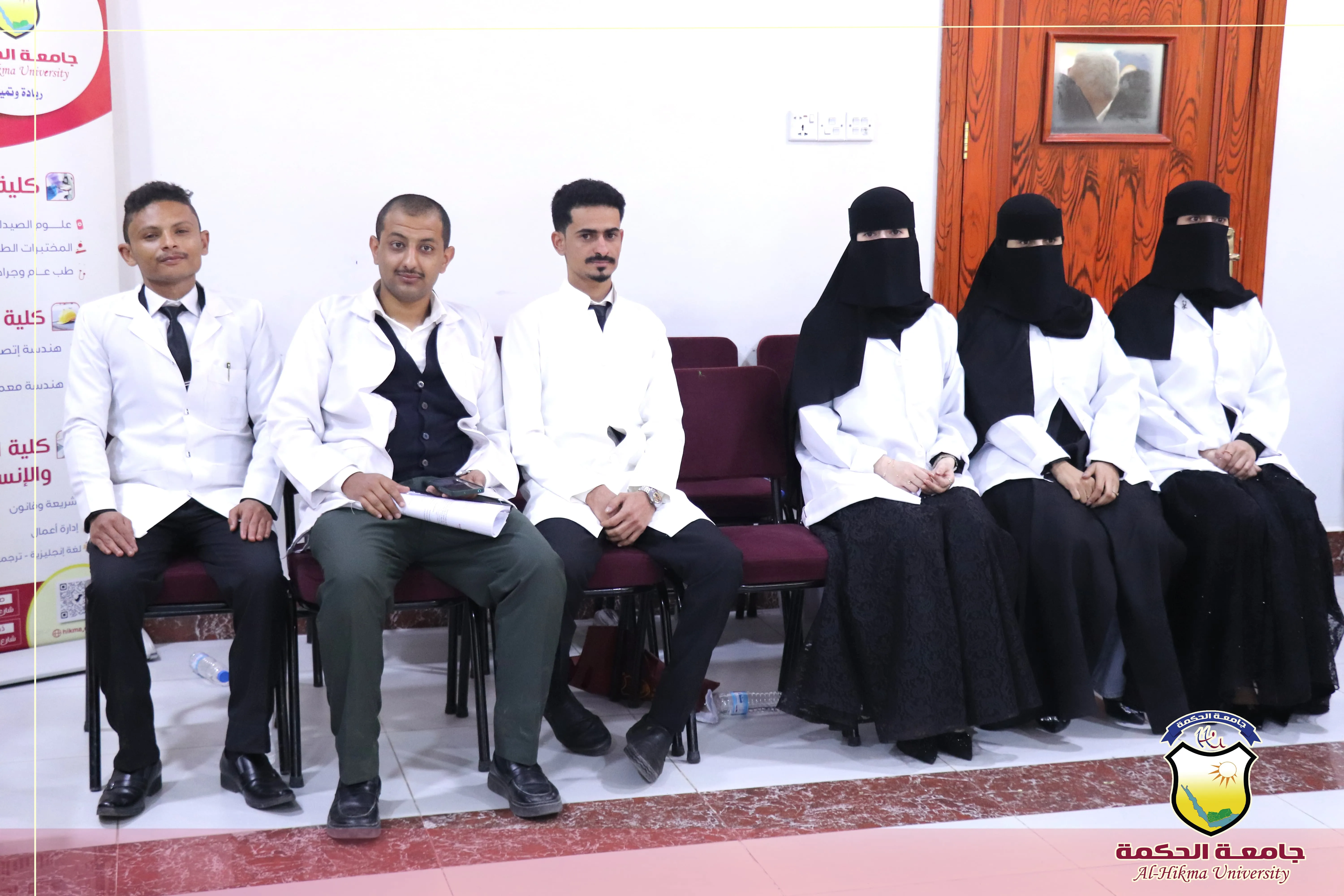
The research team included:
- Suheib Ali Farhan Mohammed AL-FUTIHI
- Abdulkareem Mohammed Abdallah Qahtan
- Jubran Mohammed Saif Manjth
- Taha Radhwan Ali Khaled
- Badie yahaya gasm aljaishie
- Naif Ibrahim Mohammed Hussein Wahan
- Maram Noman Ahmed AL-Massnaah
- Aisha Ali Ali Al-Hamoodi
- Omnia Abdullah saeed marouf
The study was supervised by Dr. Abdullah Al-Tayyar, Consultant in Pediatrics and Neonatology, and Dr. Houria Al-Sabry Specialist in Community Medicine.
The study concludes that epilepsy represents a significant neurological health burden among children under five in Sana’a, with early childhood being the most vulnerable period for disease onset. The findings emphasize the importance of early diagnosis, improved access to diagnostic facilities, and enhanced maternal and neonatal healthcare services. The study also recommends conducting multicenter community-based studies to provide a comprehensive national epidemiological profile of childhood epilepsy in Yemen.